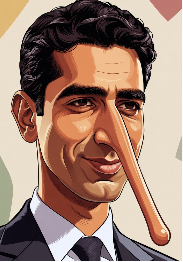
New York City Mayor Zohran Mamdani used the nation’s 250th anniversary to deliver a speech from behind George Washington’s desk at City Hall, flanked by newly naturalized citizens. He framed America as a “grand experiment in self-governance” full of “contradictions,” while criticizing exclusion, wealth concentration, monopolies, and immigration enforcement. The address mixed nods to founding ideals with progressive grievances, positioning patriotism as “righteous dissent” and implying current policies betray the promise of liberty for all.
Mamdani, a democratic socialist backed by the DSA, spoke less as a local mayor and more as a national scold. His litany of ills—hunger amid trillionaires, oligarchs buying elections, masked agents deporting undocumented neighbors—echoes familiar leftist tropes. But the facts paint a picture of American progress, resilience, and opportunity that his rhetoric downplays or distorts.
The Speech at a Glance
Delivered around July 4, 2026, the address marked America’s 250th birthday. Mamdani reflected on New York Harbor’s history, the arrival of the Declaration in 1776 amid British occupation, and the audacity of the founding. He celebrated immigrants and naturalization, arguing America “belongs to our newest Americans” and that nothing is fixed—change comes through inclusion and dissent.
He highlighted contradictions: the world’s wealthiest nation with hungry children; monopolies and oligarchs dominating; wealth built by workers’ hands yet held by a few. He critiqued politics of exclusion based on accent or skin color, and enforcement actions against undocumented immigrants. Patriotism, he said, involves confronting flaws rather than pretending perfection. The speech rejected “love it or leave it” framing and called for fulfilling founding promises universally.
It was polished and symbolic, leaning on New York’s immigrant story while indicting national “sins” of inequality and division.
Theater or pure disrespect? Mayor Mamdani gives a pre Independence Day speech from behind George Washington’s desk pic.twitter.com/INUMnb02ls
— No Spin News (@NoSpinNews) July 7, 2026
His List of America’s ‘Contradictions’
Mamdani zeroed in on economic disparity, political influence, and immigration policy as core ills:
- Wealth and hunger: The richest country ever, yet children go to bed hungry while billionaires (or trillionaires) accumulate more.
- Monopolies and oligarchs: Concentrated power in industries and elections bought by the wealthy.
- Wealth distribution: Built by calloused hands of workers, yet held by soft hands of a few.
- Immigration and enforcement: Masked agents “terrorizing streets,” deporting undocumented neighbors who cook food for others.
- Exclusion: America defined narrowly by accent, skin color, or origin—less welcoming than ideals suggest.
- Broader failures: Politics of division undermining self-governance and the promise of life, liberty, and pursuit of happiness for everyone.
These echo socialist critiques: capitalism breeds inequality, borders and enforcement are cruel, and America falls short of egalitarian perfection. Mamdani positioned himself as defender of “righteous dissent” against these.
Mamdani Blasts America in July 4 Speech Focused on ‘Flaws’ https://t.co/AktXb7325N via @pamelageller
— ArgeliaKorn (@argeliakorn) July 7, 2026
The Historical Record vs. Rhetoric
America’s founding included real flaws—slavery, displacement of Native populations, limited franchise. Mamdani nods to this history (British yoke in 1776 New York) but frames ongoing “contradictions” as indictment.
Facts show unmatched self-correction:
- Slavery ended through Civil War and amendments; Jim Crow fell via Civil Rights era. Black Americans today have higher median incomes, homeownership, and life expectancy than most global populations, including many origin countries of recent immigrants.
- America absorbed waves of immigrants who built the nation. Legal pathways expanded; success stories abound. Illegal entries carry costs, but the system has enabled unprecedented mobility.
- No nation matches America’s record of expanding rights and prosperity. Compared to socialist experiments elsewhere—Venezuela’s collapse, Cuba’s stagnation, historical body counts under centralized planning—America’s trajectory stands apart.
Mamdani’s “contradictions” ignore that every society has flaws. America’s exceptionalism lies in the framework allowing correction through debate, markets, and rule of law—not perfect outcomes. His rhetoric risks equating policy disagreements with moral failure.
‘SOCIALISM WAS PRETTY COLD IN THE GULAGS’
GOP Rep Pat Fallon slams NYC mayor Zohran Mamdani for praising the ‘warmth of socialism’ in his America 250 speech@RepPatFallon @FoxBusiness pic.twitter.com/1Qvi23KCTF
— The Evening Edit (@EveningEdit) July 7, 2026
Economic Realities Behind the Complaints
Inequality exists, as in any dynamic society. But context matters:
- U.S. GDP per capita and median living standards lead the world. Absolute poverty has plummeted over decades; safety nets (food stamps, Medicaid, EITC) exist and have expanded.
- “Trillionaires” often built value through innovation (tech, etc.) that raised living standards broadly. Worker productivity and real wages have risen long-term; recent stagnation ties more to policy (regulation, energy costs, education failures) than pure capitalism.
- Monopolies face antitrust scrutiny; elections involve donor influence across spectrum. Wealth concentration reflects returns to capital in a growing economy, not zero-sum theft.
- Hunger persists in pockets but correlates strongly with family structure, education, and behavior—not systemic starvation. U.S. food abundance is unmatched historically.
Socialist alternatives Mamdani favors—higher redistribution, heavier regulation—have track records of slower growth and dependency. America’s system, flaws and all, generated the wealth he critiques while lifting global standards via trade and example.
Immigration and Enforcement Facts
Mamdani’s jab at “masked agents” and “undocumented neighbors” targets border security and interior enforcement—core to sovereignty.
- Legal immigration remains robust; America takes more than peers. Naturalization ceremonies he highlighted prove the system works for those who follow rules.
- Illegal entries surged under prior lax policies, straining cities (including NYC under his watch), wages in low-skill sectors, schools, and hospitals. Fiscal costs run tens of billions annually net; crime data shows overrepresentation in certain offenses by non-citizens in some datasets.
- Enforcement protects citizens and legal residents. Deportations target violations, not “terror.” Public support for secure borders polls consistently high.
- “Exclusion” rhetoric ignores that nations define membership. Open flows without vetting import problems—cartels, fentanyl, unassimilated groups—while legal, skills-based systems strengthen the nation.
America’s strength has always been selective welcome, not unlimited entry. Mamdani’s city faces housing shortages, crime spikes, and budget strains partly from unmanaged inflows—ironic for a mayor lecturing nationally.
Why This Rhetoric Misses the Mark
Mamdani speaks from a narrow ideological lane—DSA socialism that views markets, borders, and traditional patriotism skeptically. His “ills” recycle class warfare and identity grievances that divide rather than unite. America has sins, but 250 years show relentless improvement: from colonies to superpower, slavery to equality under law, agrarian to technological leader.
Facts counter the narrative:
- Prosperity widespread by global and historical standards.
- Opportunity draws millions legally; success depends on assimilation and effort.
- Dissent thrives; the speech itself proves it. True patriotism balances critique with gratitude for the framework enabling it.
Socialist governance in places like his NYC often delivers higher taxes, slower growth, and persistent problems in housing and safety—undermining claims of superior vision.
What Real Leadership Requires
America doesn’t need lectures indicting its core for political points. It needs leaders focused on results: secure borders, economic freedom, rule of law, and cultural confidence. Mamdani’s speech reveals more about his worldview than national character.
The 250th anniversary deserves celebration of what works—liberty, innovation, resilience—while fixing what doesn’t through evidence, not ideology. Facts show America remains the exceptional experiment worth defending and improving, not the villain in a socialist script. Mamdani may speak for his circle; most Americans see a different, stronger story.